Metal Debasement as a Signal of State Fiscal Stress
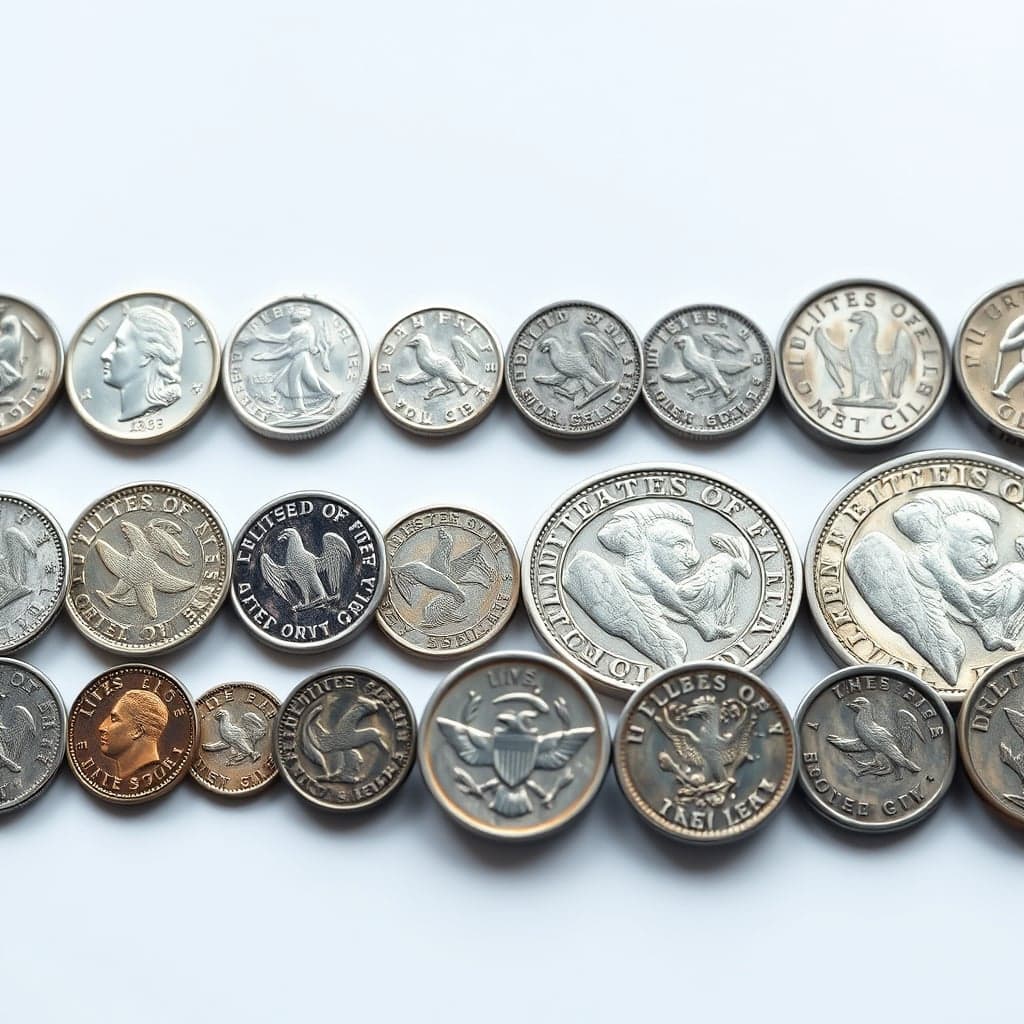
Rulers often explain debasement as reform. Coins suggest it is usually desperation.
Across empires — Roman, Mughal, Ottoman, European — periods of metal dilution cluster around moments of war, territorial overreach, or fiscal imbalance. Silver content declines. Weight shrinks. Alloy impurities rise. The official narrative may speak of standardization, but the coin itself records strain.
This leads to a hypothesis: changes in coin metal purity act as an early-warning signal of sovereign fiscal stress.
Before defaults, before tax revolts, before political collapse — coin composition often shifts first.
Debasement functions like silent borrowing. Instead of raising taxes or issuing bonds, states extract value by subtly lowering intrinsic metal content while maintaining face value. The population absorbs the loss slowly, often without formal acknowledgment. Inflation, price distortion, and hoarding typically follow.
Coins become financial x-rays.
A sudden drop in silver purity may signal rising military expenditure. A long-term downward drift might reflect structural revenue weakness. A later restoration of purity may indicate stabilization, regime change, or fiscal reform.
This hypothesis treats coin metallurgy as a compressed fiscal ledger — one that records stress even when written archives do not.
More provocatively, debasement patterns could allow historians to estimate the intensity and timing of economic strainmore precisely than political chronicles, which tend to narrate power rather than solvency.
Coins, unlike proclamations, do not lie easily.They carry the chemistry of pressure.