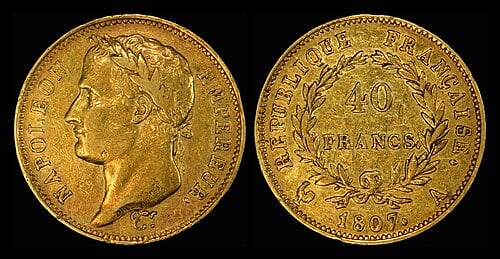
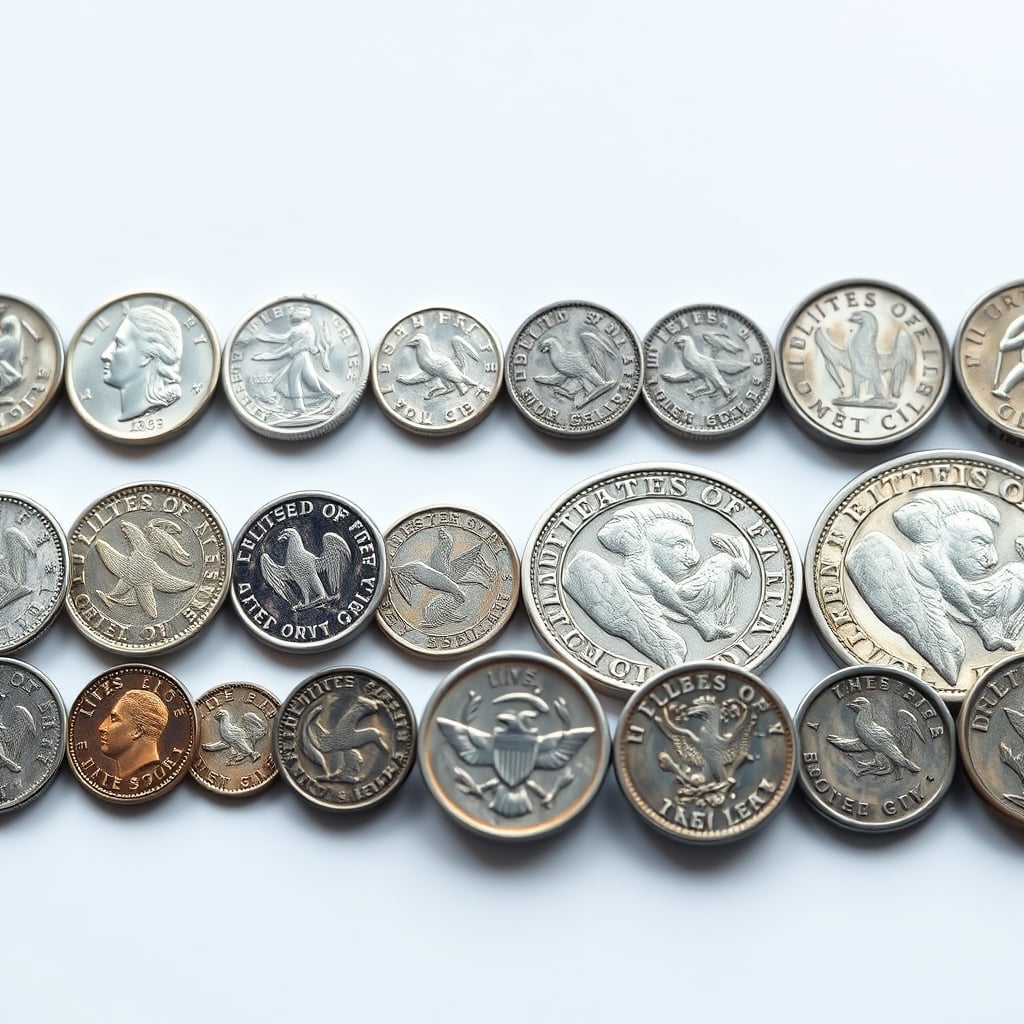
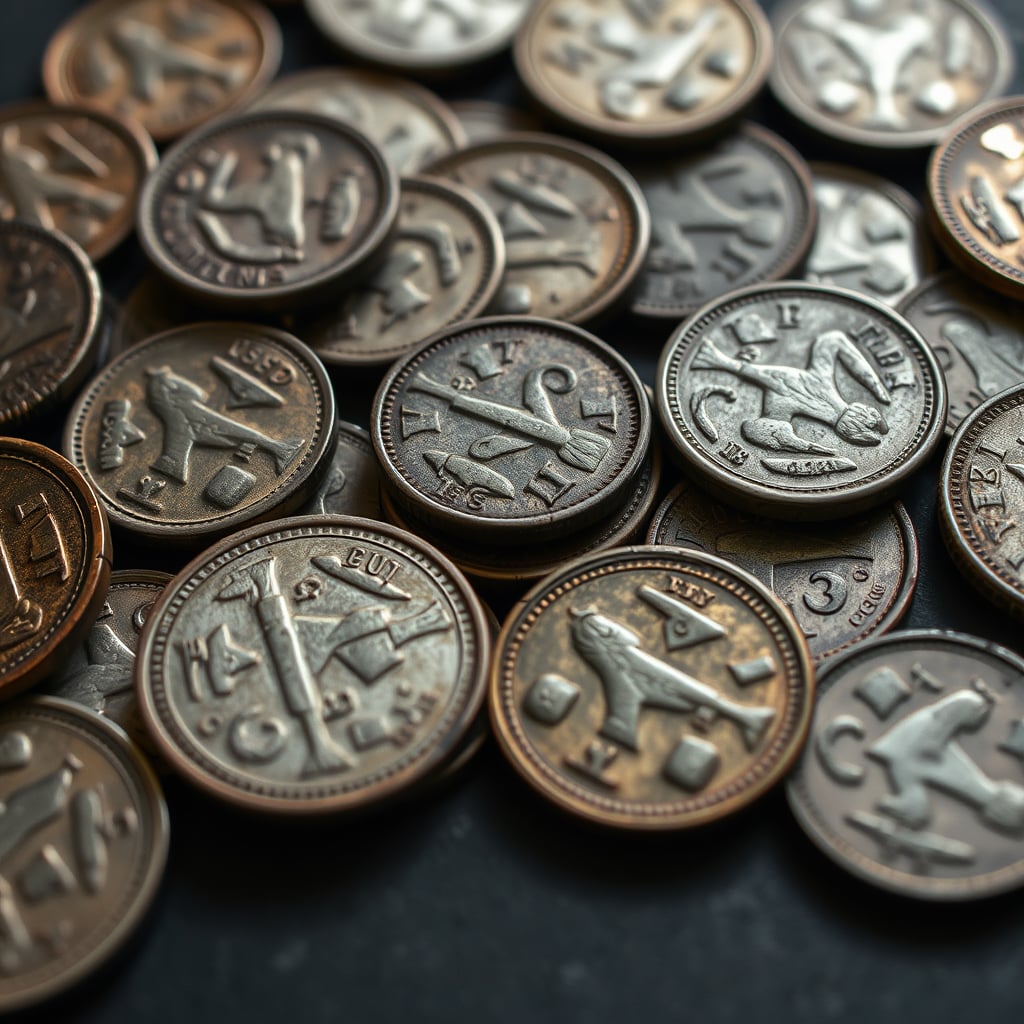
Raafey Qureshi1 min readThe French FrancThe French Franc has a beautiful story, it became a national monetary symbol during periods of political upheaval, particularly after the French Revolution. As old regimes collapsed, the franc helped redefine France’s financial identity, replacing royal currencies tied to monarchy with a system aligned with republican ideals.This coin represents how money can become a political reset.Following the Revolution, France sought out to rebuild trust in institutions, including its monetary system. The
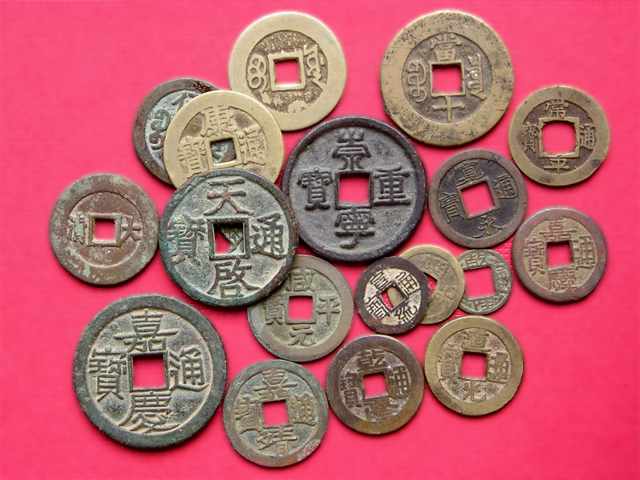
Raafey Qureshi2 min readThe Chinese Cash CoinThe Chinese cash coin, which is recognizable by its round shape and square central hole, represents one of the longest continuously used coin types in human history. For over two thousand years, variations of this coin circulated across dynasties, shaping everyday economic life in China.Unlike high value gold or silver coins, cash coins were designed for volume. They facilitated small transactions, market purchases, wage payments, and daily trade among ordinary people. This made them instruments
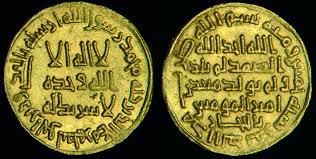
Raafey Qureshi2 min readThe Islamic Gold DinarThe Islamic gold dinar(one of my favs), first widely issued under the Umayyad Caliphate in the late seventh century, represents one of the most ideologically intentional currencies in history. Unlike earlier Byzantine and Persian coins that featured rulers and religious imagery, the dinar replaced portraits with Quranic inscriptions, emphasizing divine authority over imperial personality.This was not merely a theological choice.It was a smart economic strategy.By removing human imagery and stand
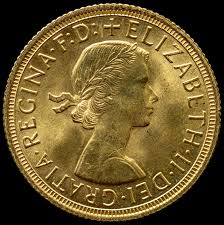
Raafey Qureshi2 min readThe British Gold SovereignThe British gold sovereign emerged in its modern form in the nineteenth century, backed by the economic power of the British Empire and the stability of the gold standard. Struck in high purity gold and featuring the iconic Saint George and the Dragon design, it became one of the most trusted trade and reserve coins of the modern era.The sovereign circulated far beyond Britain. It moved through Europe, Africa, the Middle East, and Asia, widely accepted in international trade, banking reserves, a
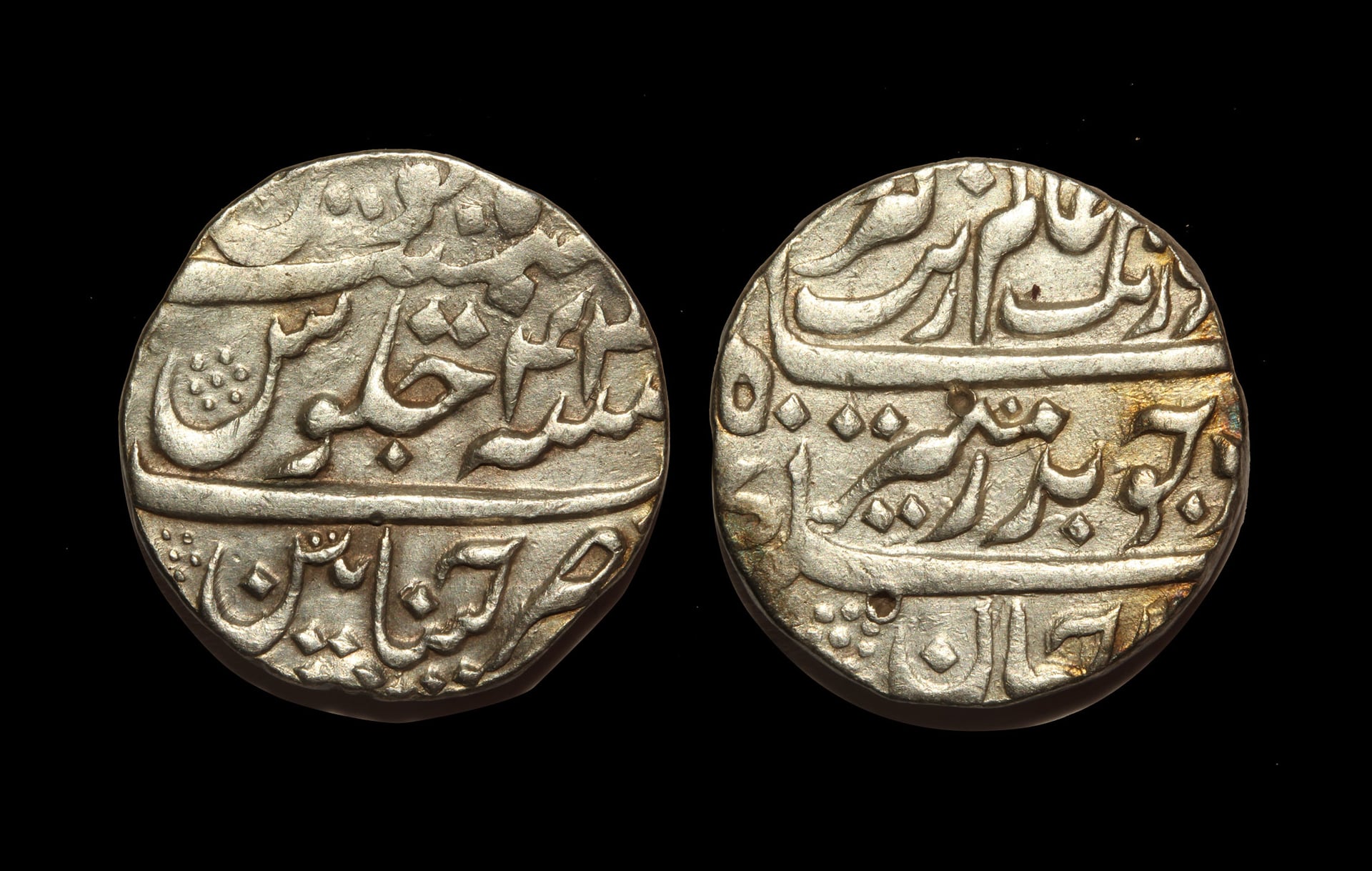
Raafey Qureshi2 min readThe Mughal Rupiya and the Monetization of a Subcontinental EconomyThe Mughal rupiya, standardized under Sher Shah Suri in the sixteenth century and later refined by the Mughal emperors, became one of the most influential monetary units in South Asian history. It was not merely a coin but a system that reshaped taxation, trade, and daily commerce across the subcontinent.Before the rupiya’s widespread adoption, regional currencies varied widely in weight, purity, and design. The rupiya introduced consistency. Its standardized silver content allowed merchants to
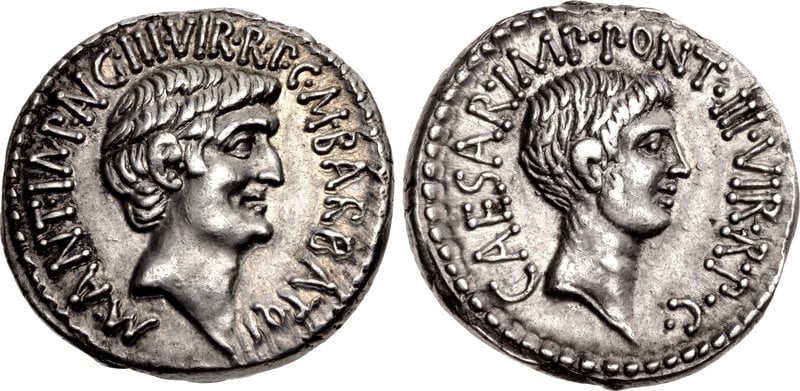
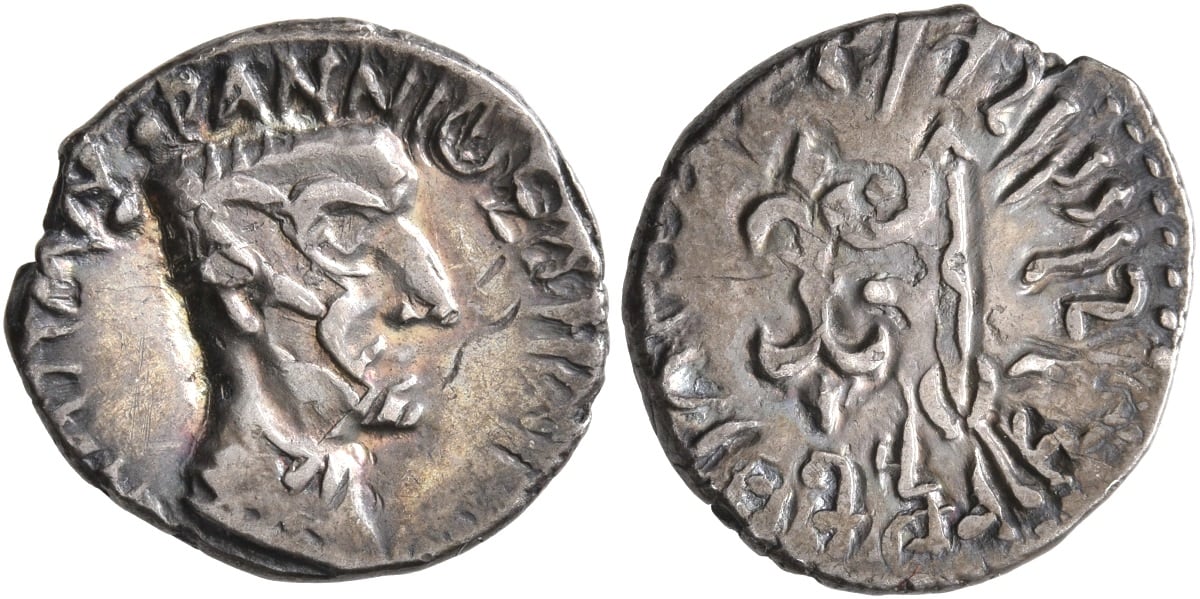
Raafey Qureshi2 min readThe Roman Denarius and the Economics of Imperial ScaleSome coins do not just fund empires.They reveal how empires function.The Roman denarius began as a silver coin of remarkable consistency, introduced in the third century BCE to support Rome’s expanding military and commercial ambitions. Over time, it became the backbone of imperial finance, circulating across Europe, North Africa, and the Near East.At its height, the denarius functioned as a unifying monetary language across vast and culturally diverse territories. A merchant in Gaul, a soldier
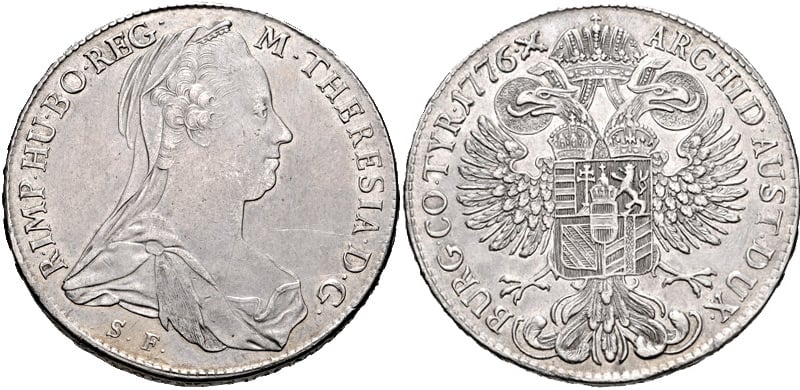
Raafey Qureshi2 min readThe Maria Theresa Thaler and the Longevity of Monetary ReputationMost currencies fade when governments fall.This one survived for centuries.The Maria Theresa thaler, first minted in 1741 under the Habsburg Empire, became one of the most enduring trade coins in history. Even after the death of Empress Maria Theresa in 1780, the coin continued to be minted with the same frozen date, preserving its original design to maintain trust.Its longevity was not driven by imperial conquest.It was driven by reputation.The thaler circulated widely across the Middle East, E
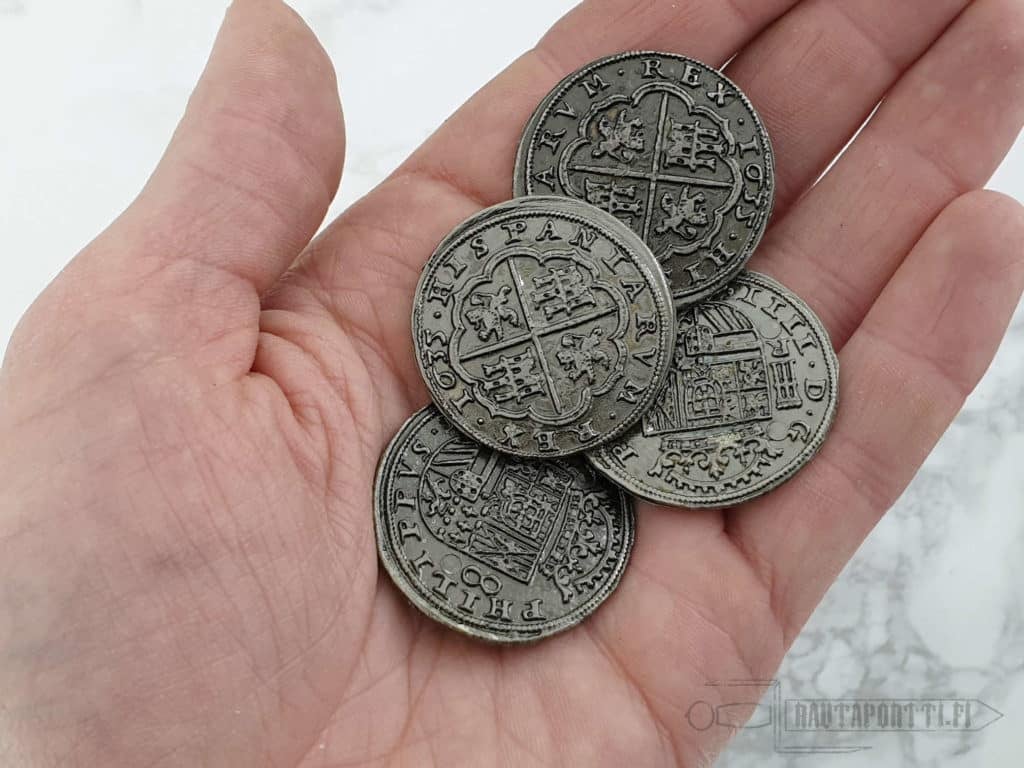
Raafey Qureshi2 min readThe Spanish Silver Dollar and the First Global CurrencyLong before modern globalization, one coin connected continents.The Spanish silver dollar, also known as the piece of eight, emerged from the vast silver mines of the Americas in the sixteenth century. Minted primarily from Potosí silver, it became the backbone of global trade, circulating across Europe, Africa, the Americas, and Asia.Unlike many earlier coins, its reach was truly planetary.Spanish dollars fueled transatlantic trade, paid European armies, financed colonial expansion, and became
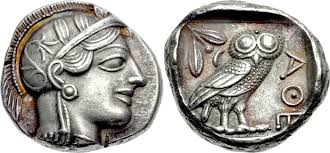
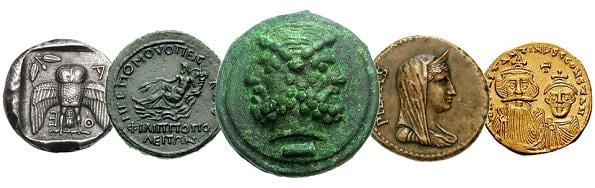
Raafey Qureshi2 min readThe Athenian Owl Tetradrachm and the Birth of Monetary TrustSome coins do more than circulate.They teach the world what money can be.The Athenian owl tetradrachm was not the first coin ever minted, but it may have been the first to achieve true international monetary trust. Struck in silver and marked by the owl of Athena, it became one of the most widely accepted trade coins of the ancient Mediterranean.What made this coin extraordinary was not just its design, but its reliability.Athens maintained remarkably consistent silver purity and weight standard
Raafey Qureshi1 min readCoin Supply Surges as Evidence of Trade Expansion WavesTrade expansion leaves traces in metal.When coin minting surges sharply during certain historical periods, it often aligns with commercial growth, trade route expansion, or economic integration. These surges reflect not just political ambition but increased demand for circulating money driven by rising trade volume.This leads to a hypothesis: sudden increases in coin supply signal waves of trade expansion rather than purely state driven monetary policy.A historical case appears during the High M
Raafey Qureshi2 min readCurrency Acceptance Zones as Evidence of Merchant Trust NetworksSome coins travel far because merchants trust them.Others stay local because trust does not extend beyond borders.Across history, certain currencies formed wide acceptance zones where merchants treated them as reliable trade money. These zones often extended beyond political boundaries, shaped not by rulers but by commercial reputation.This leads to my hypothesis: the geographic range in which a coin is accepted reflects merchant trust networks more than state power.The Athenian owl tetradrachm(
Raafey Qureshi2 min readMarket Town Coin Clusters as Evidence of Regional Trade SpecializationNot every trade center was a port or a capital.Some of the most important commercial nodes were ordinary market towns.When archaeologists study coin finds from regional market towns, they often discover patterns that differ from both rural settlements and major urban hubs. Certain towns accumulate unusually dense clusters of coins from specific regions, periods, or metal types. These patterns suggest that some towns were not general trade centers but specialized economic nodes.This leads to a hy
Raafey Qureshi1 min readTrade Shock Coin Patterns as Evidence of Disrupted Exchange NetworksTrade does not always decline gradually.Sometimes it breaks.When trade routes collapse due to war, political fragmentation, plague, or maritime disruption, coin circulation patterns change sharply. Certain foreign coins vanish. Local currency dominates again. Coin diversity narrows. Transaction volume slows.This leads to a hypothesis: sudden shifts in coin circulation patterns reflect trade shocks and disruptions in exchange networks.The Black Death offers a clear example. Following the pandemic
Raafey Qureshi2 min readCaravan Stop Coin Diversity as a Measure of Overland Trade ConnectivitySome places exist because trade needs rest.Caravanserais, oasis towns, and overland trade hubs often accumulate coin finds from a wide range of origins. These coins did not arrive as collections. They arrived through commerce. Each coin represents a merchant passing through, a transaction completed, or goods exchanged.This leads to a hypothesis: the diversity of coin origins found at caravan stops reflects the level of connectivity and reach of overland trade networks.A historical case comes fro
Raafey Qureshi2 min readCoin Imitation Along Trade Routes as Evidence of Merchant DemandNot all coins were minted by states.Some were minted by markets.When imitation coins appear repeatedly along major trade corridors, they reveal something important. These copies were not produced randomly. They emerged in places where merchants needed currency that was familiar, trusted, and accepted, but official supply could not meet demand.This leads to a hypothesis: the spread of imitation coinage along trade routes reflects merchant driven demand for trusted currency standards rather than m
Raafey Qureshi2 min readBorder Coin Zones as Evidence of Trade Mediated Monetary BlendingPolitical borders do not always define monetary borders.In regions where trade corridors cross cultural or imperial frontiers, coin circulation often reveals blended currency zones. Multiple monetary systems coexist, overlap, and intermingle, creating hybrid economic environments.This leads to a hypothesis: border regions with mixed coin circulation reflect trade mediated monetary blending rather than strict state control.Along the Roman frontiers, archaeological sites show mixtures of Roman, lo
Raafey Qureshi2 min readSilver Flow Patterns as Evidence of Trade Driven Monetary PowerSome economies mint coins. Others absorb them.When silver coins are tracked across regions over time, they reveal directional flows that mirror trade imbalances and commercial dominance. Large volumes of silver historically moved from mining centers to trade consuming regions, shaping global monetary power.This leads to a hypothesis: the movement of silver coin circulation reflects trade driven monetary influence rather than purely political control.A major historical example lies in the Spanish
Raafey Qureshi2 min readShipwreck Coin Assemblages as Evidence of Maritime Trade PrioritiesSome trade routes sank. Their money stayed behind.When shipwrecks are excavated, the coins recovered from their cargo often reveal more than what was traded. They reveal which currencies merchants trusted at sea, which trade corridors mattered most, and which monetary systems dominated long distance exchange.This leads to my hypothesis which is: the composition of coin assemblages found in shipwrecks reflects the economic priorities and monetary preferences of maritime trade networks.Shipwreck
Raafey Qureshi2 min readPort City Coin Mix as a Measure of Trade DiversitySome cities accumulate not just wealth, but monetary variety.When coin assemblages from port cities are examined, they often display a striking diversity of origins. Coins from distant empires appear together in the same archaeological layers. Local currency mixes with foreign silver, regional copper, and long distance trade coinage.This leads to a hypothesis: the diversity of coin origins in port cities reflects the breadth and complexity of their trade networks.A port that receives merchants f
Raafey Qureshi2 min readShared Coin Standards as Evidence of Trade Based Monetary IntegrationWhen different kingdoms accept the same coin, it signals more than convenience.It signals economic alignment.Across history, certain coin types transcended political borders and became widely accepted trade currency. The Athenian owl tetradrachm circulated across the Mediterranean. The Spanish silver dollar functioned as a global trade medium from the Americas to East Asia. The Maria Theresa thaler remained in use in East Africa and the Middle East centuries after its original minting.This leads
Raafey Qureshi2 min readCoin Find Trails as Evidence of Invisible Trade CorridorsSome trade routes were never written down.But coins remember them.When coins minted in one region repeatedly appear hundreds or thousands of kilometers away, they form quiet trails of movement. Not all of these trails align with recorded caravan roads or famous maritime lanes. Some emerge in unexpected places, cutting across rural landscapes, border zones, or politically fragmented territories.This leads to a hypothesis: the geographic spread of coin finds can reconstruct invisible or undocument
Raafey Qureshi1 min readRegional Coin Style Divergence as Evidence of Economic FragmentationCoins from the same empire do not always look the same.Across large political territories, coin style often varies by region. Differences appear in portrait design, engraving quality, lettering, iconography, weight tolerance, and metal tone. These stylistic shifts are frequently attributed to artistic variation. But when divergence becomes systematic, it suggests something deeper.This leads to a hypothesis: regional divergence in coin style reflects economic fragmentation and uneven market integ
Raafey Qureshi1 min readCoin Iconography Shifts as Evidence of Political Legitimacy RepairCoins do more than carry value.They carry messages.When political authority weakens, coin imagery often changes rapidly. New portraits appear. Symbols shift. Titles expand. Religious motifs intensify. These shifts tend to cluster around periods of contested legitimacy.This leads to a hypothesis: sudden changes in coin iconography reflect attempts by rulers to repair or reinforce political legitimacy.During the Roman Year of the Four Emperors in 69 CE, coin portraits changed multiple times within
Raafey Qureshi2 min readOverstruck Coins as Evidence of Regime Shock and Monetary PanicSome coins carry ghosts of earlier rulers beneath their surface.When you study overstruck coins, you often notice faint remnants of earlier designs lingering beneath newer ones. A previous emperor’s portrait partially visible under a fresh face. Old inscriptions ghosting through new titles. These traces are not artistic accidents. They are economic and political responses to disruption.This leads to a hypothesis: a rise in overstruck coinage reflects periods of regime shock and monetary panic, w
Raafey Qureshi1 min readCountermarked Coins as Evidence of Emergency Monetary InterventionSome coins carry marks that were never part of their original design.Stamped symbols. Overstruck emblems. Validation punches.These countermarks often appear during periods of political disruption, fiscal crisis, regime change, or monetary instability. They are usually described as administrative artifacts. But their timing and scale suggest a deeper role.This leads to a hypothesis: countermarks represent emergency monetary intervention when states lack the capacity for full recoinage.Re minting
Raafey Qureshi2 min readWeight Variance as Evidence of Market FragmentationNot all coins of the same denomination weigh the same.And that inconsistency tells a story.When samples of coins from a single ruler or mint are weighed in bulk, some periods show remarkably tight weight consistency, while others display wide variance. Coins meant to represent identical value often differ significantly in mass, metal content, or strike depth.This leads to a hypothesis: high weight variance reflects fragmented or poorly integrated market systems.In an integrated economy, uniform
Raafey Qureshi2 min readForeign Coin Dominance as a Measure of Monetary Credibility FailureSome societies mint their own money. Others choose not to use it.Across history, there are regions where foreign coins circulated more widely than domestic ones. Spanish dollars in Asia. Roman coins beyond imperial borders. British rupees across trade networks. In many of these places, foreign coinage became the default medium of exchange even when local mints existed.This suggests a hypothesis: when foreign coins dominate circulation, it signals failure of domestic monetary credibility.If peopl
Raafey Qureshi2 min readHoards as Evidence of Collective Financial FearPeople do not bury money when they feel safe.Every coin hoard begins with a decision. Someone chooses not to spend. Not to store in plain sight. Not to trust banks, rulers, markets, or neighbors. Instead, they hide value in the ground and walk away, often planning to return, but never doing so.Coin hoards are usually treated as archaeological accidents. I think they are psychological and economic records.This leads to a hypothesis: the frequency, size, and timing of coin hoards reflect collectiv
Raafey Qureshi1 min readImitation Coins as Evidence of Parallel EconomiesNot all coins come from official mints.Across eras, imitation coins appear some crude, some nearly indistinguishable from originals. These are often labeled counterfeits. But when imitation coins circulate widely and persist across regions, they begin to resemble something more systemic.This leads to a hypothesis: widespread imitation coin circulation reflects the existence of parallel or underserved economies.If official currency supply is insufficient, inaccessible, or poorly distributed, com
Raafey Qureshi1 min readCoin Scarcity as a Measure of Liquidity StressSometimes the most revealing evidence is absence.Across multiple historical periods, certain decades produce remarkably few surviving coins relative to others. While some scarcity can be explained by melting, loss, or recoinage, persistent shortages often align with moments of economic contraction, trade disruption, or monetary tightening.This suggests a hypothesis: periods of coin scarcity reflect liquidity stress within the economy.When money becomes difficult to obtain, transactions slow. Wag
Raafey Qureshi2 min readMint Quality as a Proxy for State Administrative CapacitySome coins feel precise. Others feel careless.When you compare coins across rulers, regions, and decades, differences in mint quality become impossible to ignore. Some coins exhibit crisp inscriptions, consistent weight, symmetrical dies, and refined metallurgy. Others show misaligned strikes, uneven thickness, blurred legends, and wide variance in weight. These inconsistencies are often dismissed as technical limitations. But when patterns persist across time, they begin to suggest something mo
Raafey Qureshi2 min readForeign Coin Circulation as Evidence of Currency SubstitutionSome regions mint coins.Others prefer someone else’s.When foreign coins dominate local circulation — Spanish dollars in Asia, Roman denarii beyond imperial borders, British rupees across colonial trade zones — it reveals more than trade. It suggests monetary replacement.This leads to a hypothesis: high foreign coin prevalence signals domestic currency credibility failure.If local money were trusted, it would dominate everyday exchange. But when populations choose foreign coinage, it implies diss
Raafey Qureshi1 min readCountermarks as Emergency Monetary PolicySome coins carry scars that were added intentionally.Countermarks — stamped symbols, revalidation marks, or overstrikes — often appear during periods of political disruption, regime change, or monetary crisis. They are usually explained as administrative tools. But viewed collectively, they resemble something more deliberate.This leads to a hypothesis: countermarks function as emergency monetary policy executed without re-minting.Reissuing a full currency supply takes time, metal, labor, and sta
Raafey Qureshi2 min readEdge Clipping as Grassroots InflationSome coins lose weight without ever passing through a mint.When you line up clipped coins — silver shillings, Mughal rupees, medieval deniers — the pattern feels too coordinated to be random damage. Edges shaved clean, rims subtly thinned, weight reduced just enough to extract value without drawing immediate suspicion. This is usually described as counterfeiting. I think that misses the economic meaning.This leads to a hypothesis: edge clipping reflects bottom-up inflation pressure before top-do
Raafey Qureshi1 min readMetal Debasement as a Signal of State Fiscal StressRulers often explain debasement as reform. Coins suggest it is usually desperation.Across empires — Roman, Mughal, Ottoman, European — periods of metal dilution cluster around moments of war, territorial overreach, or fiscal imbalance. Silver content declines. Weight shrinks. Alloy impurities rise. The official narrative may speak of standardization, but the coin itself records strain.This leads to a hypothesis: changes in coin metal purity act as an early-warning signal of sovereign fiscal stre
Raafey Qureshi2 min readCoin Wear as a Proxy for Velocity of MoneyCoin Wear as a Proxy for Velocity of Money