Regional Coin Style Divergence as Evidence of Economic Fragmentation
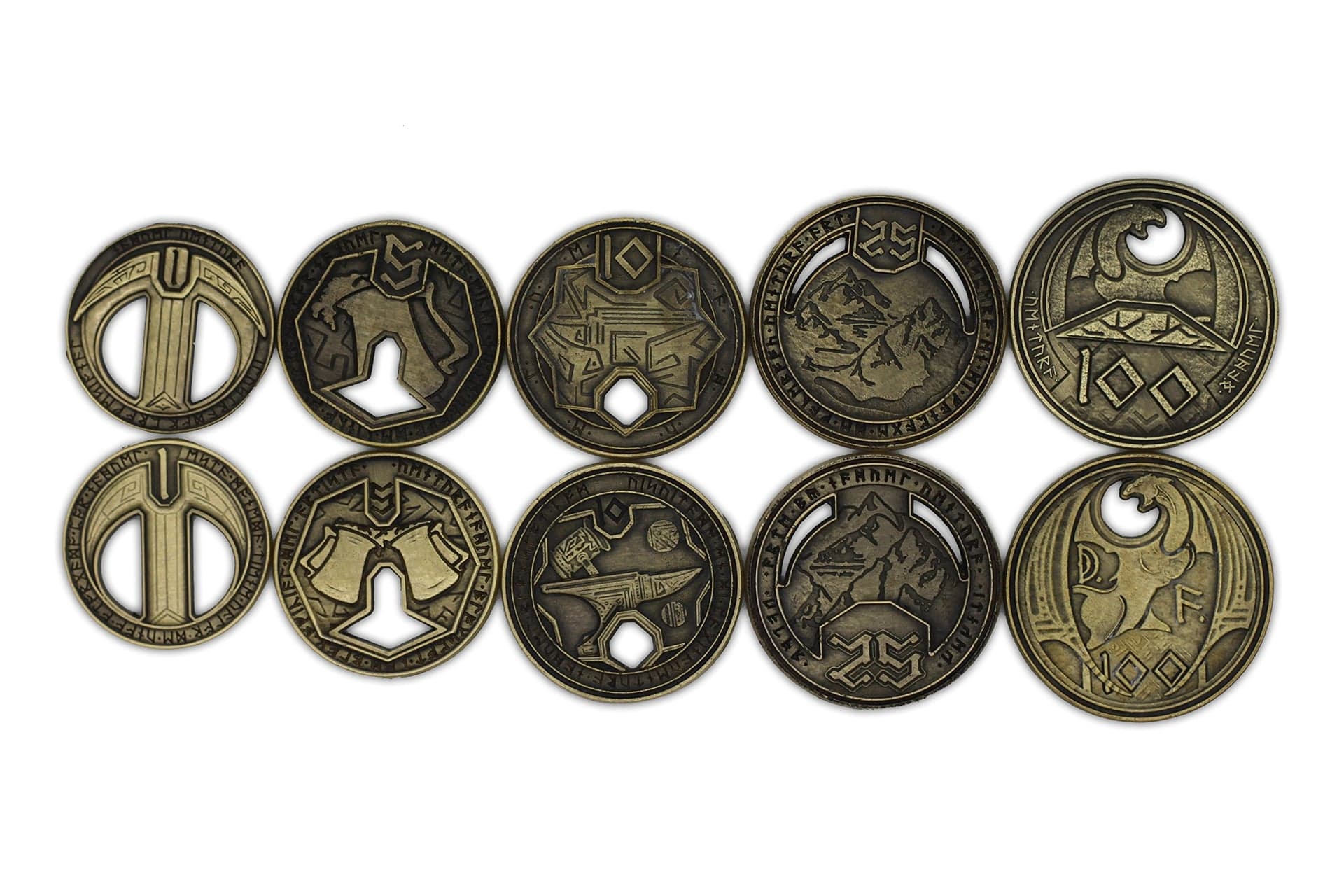
Coins from the same empire do not always look the same.
Across large political territories, coin style often varies by region. Differences appear in portrait design, engraving quality, lettering, iconography, weight tolerance, and metal tone. These stylistic shifts are frequently attributed to artistic variation. But when divergence becomes systematic, it suggests something deeper.
This leads to a hypothesis: regional divergence in coin style reflects economic fragmentation and uneven market integration.
If an empire operates as a unified economic zone, monetary standards tend to converge. Coin designs remain consistent. Weight standards remain stable. Visual identity reinforces shared value. But when economic cohesion weakens, regional mints begin to drift. Local authorities adapt designs to regional preferences, resources, political conditions, or market constraints.
Stylistic divergence thus becomes a marker of decentralization.
A fragmented economy produces fragmented money.
If merchants in one region trust certain symbols or weight tolerances more than another, mints respond accordingly. Over time, coins become localized, and monetary unity erodes. Trade between regions becomes more complex, requiring exchange adjustments, valuation negotiations, or discounting based on mint origin.
Coins become evidence of market borders.
Tracking stylistic divergence across time may reveal when empires began losing economic coherence. Increasing regional variation could signal weakening central authority, rising local autonomy, or declining cross regional trade integration.
Conversely, periods of stylistic convergence may indicate renewed central control, economic consolidation, or expanding interregional commerce.
Coins therefore document not only artistic history but how unified or fractured an economy truly was.
Where money looks unified, markets are likely unified.Where money looks fragmented, markets likely are too.