The British Gold Sovereign
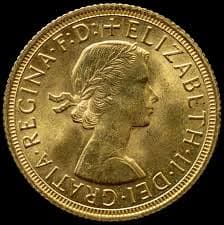
The British gold sovereign emerged in its modern form in the nineteenth century, backed by the economic power of the British Empire and the stability of the gold standard. Struck in high purity gold and featuring the iconic Saint George and the Dragon design, it became one of the most trusted trade and reserve coins of the modern era.
The sovereign circulated far beyond Britain. It moved through Europe, Africa, the Middle East, and Asia, widely accepted in international trade, banking reserves, and private savings. Its reputation rested on three pillars: consistent gold content, strong legal backing, and Britain’s dominance in global trade and finance.
This coin reveals how monetary trust can scale with financial institutions rather than territorial conquest.
During the nineteenth century, London became the center of global finance. British banks, shipping networks, and trade companies reinforced the sovereign’s credibility. Merchants trusted it not only because of its gold, but because they trusted the financial system that stood behind it.
The sovereign also played a role in shaping modern reserve currency behavior. Central banks held it as a store of value. International contracts referenced it. Investors used it as a hedge against instability. It functioned as both circulating money and financial asset.
Even after Britain’s imperial influence waned, the sovereign retained value as a globally recognized gold coin. Its continued desirability shows that monetary reputation can outlast political dominance when anchored in perceived stability.
The sovereign therefore illustrates a shift in monetary power.Earlier global coins relied on metal supply.The sovereign relied on financial credibility.
It marks a transition from empire driven money to institution driven money.
A small gold disc became a symbol of global trust in a financial system.