The Islamic Gold Dinar
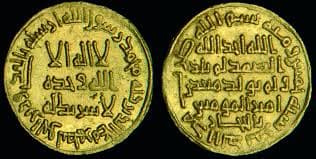
The Islamic gold dinar(one of my favs), first widely issued under the Umayyad Caliphate in the late seventh century, represents one of the most ideologically intentional currencies in history. Unlike earlier Byzantine and Persian coins that featured rulers and religious imagery, the dinar replaced portraits with Quranic inscriptions, emphasizing divine authority over imperial personality.
This was not merely a theological choice.It was a smart economic strategy.
By removing human imagery and standardizing weight and purity, the caliphate created a coin that communicated consistency, legitimacy, and ethical credibility across vast trade networks stretching from Spain to Central Asia. Merchants could trust not only the metal content of the dinar, but the moral framework implied by its design.
The dinar quickly and rightfully so became a dominant trade currency in Islamic commerce. It facilitated trans Saharan gold trade, Mediterranean exchange, and Silk Road transactions. In regions such as North Africa, the Middle East, and parts of South Asia, it functioned as both a store of value and a medium of long distance trade.
Its credibility rested on two foundations.Reliable gold purityand the perception that the monetary system adhered to religious fairness.
In medieval Islamic markets, trust in money was tied to ideas of just measurement, honest trade, and prohibition of exploitation. The dinar symbolized that ethical contract. In this sense, the coin was not just a unit of account. It was a moral instrument embedded into commerce.
The dinar’s influence extended beyond Islamic territories. European merchants accepted it in trade, and its name later influenced Western monetary terminology. Its model of standardized gold coinage inspired later systems that prioritized consistency and reputational strength.
The Islamic gold dinar also demonstrates how monetary legitimacy can stem from belief systems rather than raw political power. People trusted it because it aligned with shared ethical expectations. That trust allowed it to circulate across borders, cultures, and centuries.
It shows that money does not always draw authority from rulers.Sometimes it draws authority from values.
A small gold coin became a bridge between faith, trade, and financial credibility.