The Spanish Silver Dollar and the First Global Currency
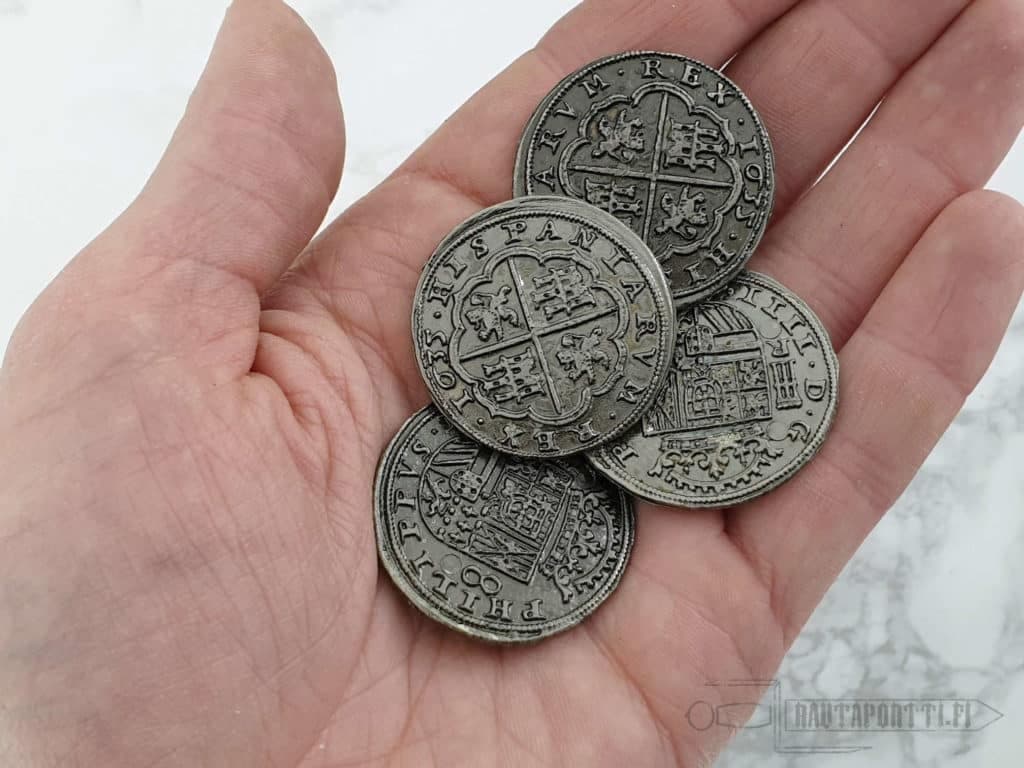
Long before modern globalization, one coin connected continents.
The Spanish silver dollar, also known as the piece of eight, emerged from the vast silver mines of the Americas in the sixteenth century. Minted primarily from Potosí silver, it became the backbone of global trade, circulating across Europe, Africa, the Americas, and Asia.
Unlike many earlier coins, its reach was truly planetary.
Spanish dollars fueled transatlantic trade, paid European armies, financed colonial expansion, and became the preferred medium of exchange in China under the Ming and Qing dynasties. Chinese merchants valued the coin for its reliable silver content, often stamping it with chop marks to verify authenticity and confirm trust.
This coin functioned as the first truly global reserve currency.
Its dominance was driven not just by Spanish imperial power, but by merchant demand for stable, high purity silver. The dollar’s standardized weight made it ideal for international commerce, reducing transaction friction across diverse monetary systems.
Its influence reshaped entire economies. In China, the influx of Spanish silver integrated the empire into global trade networks and altered domestic taxation systems. In North America, the coin influenced the design and naming of the United States dollar. In Southeast Asia, it became the default trade medium in port cities linking Indian Ocean commerce.
The Spanish dollar demonstrates that monetary power can stem from resource flows as much as political authority. Control over silver supply allowed Spain to dominate trade, but over time the coin’s credibility surpassed Spain’s own economic stability.
Even as Spanish political influence weakened, the coin remained trusted. Other nations minted similar silver dollars, imitating its standard rather than replacing it.
This reveals a deeper economic lesson.Money that becomes embedded in global trade infrastructure can outlive the empire that created it.
The Spanish silver dollar was not just a coin.It was the financial backbone of early globalization.
It connected continents, standardized trade, and shaped the evolution of modern monetary systems.
A disc of silver became a bridge between worlds.