Trade Shock Coin Patterns as Evidence of Disrupted Exchange Networks
Trade does not always decline gradually.Sometimes it breaks.
When trade routes collapse due to war, political fragmentation, plague, or maritime disruption, coin circulation patterns change sharply. Certain foreign coins vanish. Local currency dominates again. Coin diversity narrows. Transaction volume slows.
This leads to a hypothesis: sudden shifts in coin circulation patterns reflect trade shocks and disruptions in exchange networks.
The Black Death offers a clear example. Following the pandemic in fourteenth century Europe, long distance trade slowed, labor markets tightened, and coin circulation patterns became more localized. Archaeological coin finds show reduced foreign currency presence in some regions, reflecting contraction in cross border commerce.
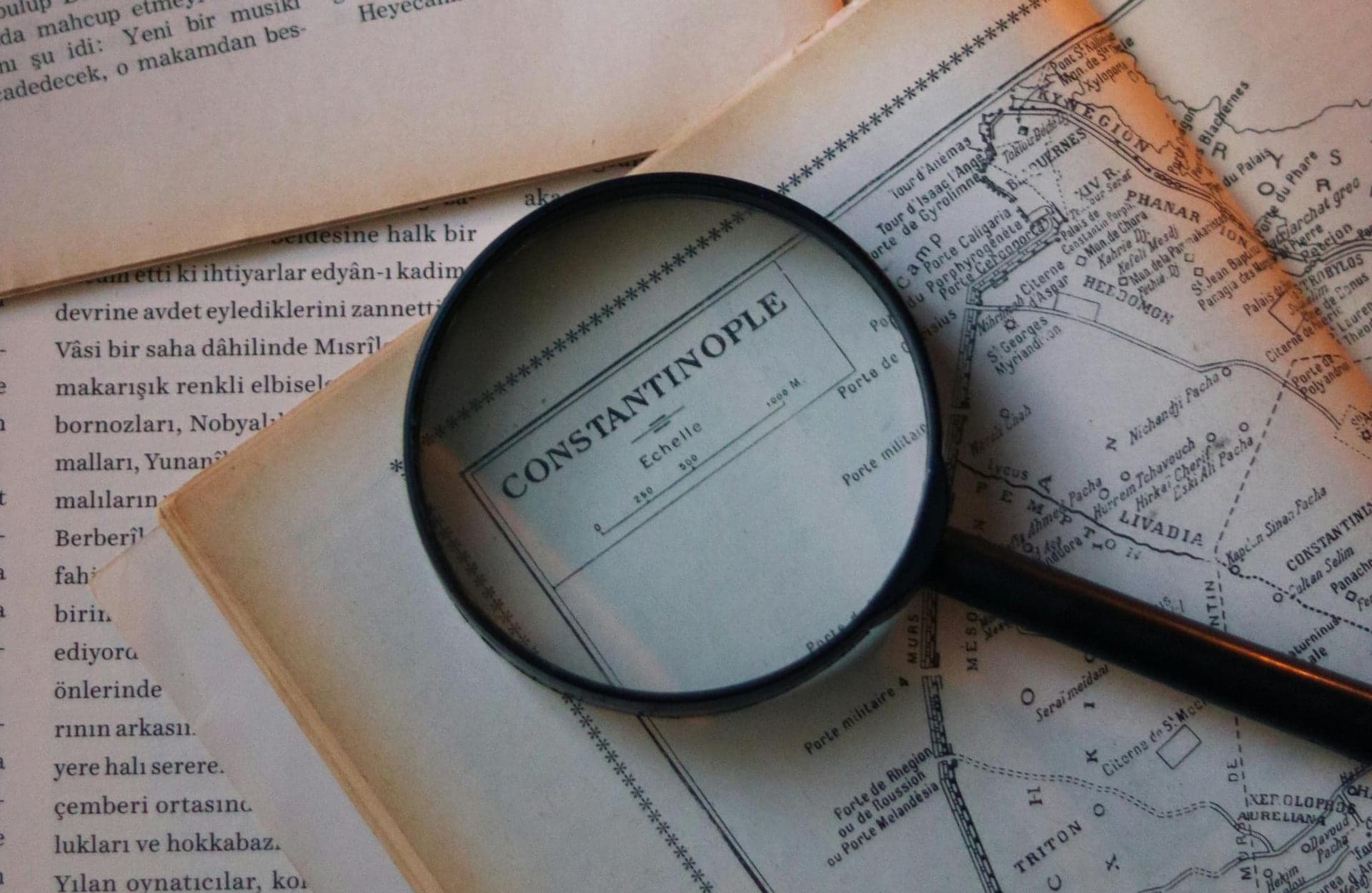
Another example appears after the fall of Constantinople in 1453. Trade patterns in the Eastern Mediterranean shifted dramatically, altering coin flows between Europe and Asia. Changes in currency circulation reflect how merchants adapted to new political and commercial realities.
The Napoleonic Wars also disrupted European trade networks. Coin hoarding increased. Foreign coin circulation patterns shifted. Monetary movement contracted in certain regions while intensifying in others.
Coins therefore become indicators of commercial shock.
A sudden disappearance of foreign coinage in a region may signal disrupted trade routes. A surge in localized currency may indicate economic retreat into domestic systems. A reappearance of diverse coinage later may mark trade recovery.
Coins track trade resilience.
They show how quickly commerce adapts to disruption. They reveal whether markets recover, reroute, or fragment.
Unlike written trade records, coin circulation patterns capture real economic behavior rather than official narratives. They reflect what merchants actually used when trade routes broke or reformed.
Money thus becomes a seismograph of trade stability.
When trade fractures, coins register the tremor.